Running a small art gallery can feel like trying to hold together a business with sticky notes, text messages, mental reminders, and constant interruptions.
You start the week intending to focus on sales, artist relationships, or long-term growth. Instead, you spend your time answering urgent emails, tracking down missing inventory information, coordinating last-minute shipping issues, and trying to remember whether anyone followed up with a collector who showed interest three weeks ago. By the end of the day, you are exhausted and still feel behind. Oooof
This is one of the most common operational problems small galleries face. Many gallery owners and directors are already working extremely hard and are often operating without enough structure to support the complexity of the business. Is this you?
As your gallery grows, relying on memory, verbal communication, and “figuring it out as you go” eventually creates operational drag. Important tasks fall through the cracks and everything starts to feel urgent because nothing has a defined process.
This is where Standard Operating Procedures (SOPs) become valuable.
For galleries, SOPs are not about becoming overly corporate or rigid. That’s not why you got in to the art world. They are more about creating clarity, consistency, and operational stability so your team can spend less time managing chaos and more time supporting artists, building collector relationships, and growing the business strategically. All the foundational stuff that makes your gallery tic.
Why Small Galleries Feel Stuck in Reactive Mode
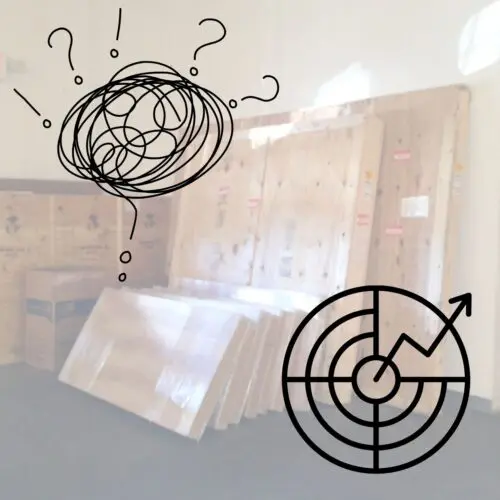
Many galleries unintentionally build their operations around personalities instead of systems. If there is a small team, where everyone does a little bit of everything, it’s hard to see the big picture. Suddenly everything feels rushed and you are barely hanging on to keep it all going. Over time, the gallery becomes dependent on memory and constant communication instead of repeatable workflows.
The result is unfortunately become predictable:
- Tasks are duplicated or forgotten
- Priorities constantly shift
- Team members interrupt each other for answers
- Sales follow-up becomes inconsistent
- Leadership has little time for strategic planning
- Staff burnout increases
When everything feels important, it becomes difficult to identify what actually drives revenue and growth, but strong SOPs reduce this operational friction. They help your gallery move from reactive decision-making to proactive management.
What an SOP Actually Does
An SOP is simply a documented process for how something should be handled inside the gallery. It doesn’t need to be fancy. Sometimes just a simple list of steps and resources will do the job nicely.
It defines:
- What needs to happen
- Who is responsible
- When it should happen
- How it should be completed
- What standards should be followed
Good SOPs reduce uncertainty.
They eliminate the need to reinvent routine processes every week. They also create consistency in the client experience, artist communication, and internal operations, making your gallery that much more professional. Most importantly however, SOPs create mental space. Who doesn’t need more of that?!? When your team no longer has to constantly remember how everything works, they can focus on higher-value activities like sales, relationships, strategy, and creative thinking.
The Most Important SOPs for Small Art Galleries
Not every process needs extensive documentation. Start with the areas that create the most operational stress or revenue risk.
Lead Capture and Client Follow-Up
This is one of the biggest missed opportunities I see in many galleries. Inquiries from many different channels and the way you respond may vary depending on which channel. Without a documented process, lead management runs the risk of becoming random.
Your SOP should define:
- How inquiries are captured
- Where client information is stored
- Response timelines
- Follow-up cadence
- Who owns the relationship
- What notes should be documented
Collectors often buy after multiple interactions. A gallery that follows up consistently has a major advantage.
Artwork Intake and Inventory Management
Inventory confusion creates unnecessary stress quickly. If artwork details, locations, pricing, framing notes, or consignment information are inconsistent, your team spends valuable time searching for answers instead of selling.
An artwork intake SOP should include at a minimum:
- Photography standards
- Inventory naming conventions
- Condition reporting
- Pricing approval
- Artist documentation
- Location tracking
- Status updates
This becomes especially important as inventory volume grows, so it is best to set standards early and enforce them across the whole team. Also communicate this with your artists so you don’t need to chase them for individual bits of information.
Exhibition Launch Workflow
Many galleries experience exhibition preparation as controlled panic. That’s not good and can take the fun out of creating these special events. Marketing assets too often get delayed in planning and creating causing collector outreach happening to late to maximize sales opportunities. Labels are rushed and therefore don’t function as a powerful sales tool. Installation timelines can also shift constantly. And of course, social media becomes more reactive instead of strategic.
A documented exhibition launch SOP creates structure around:
- Marketing timelines
- Press outreach
- Collector segmentation and communication
- Installation scheduling
- Website updates
- Social media rollout
- Event preparation and agenda
- Photography deadlines
- Post-event analysis
This transforms exhibitions from chaotic events into repeatable operational campaigns that drive revenue and nurture your artists career path.
Shipping and Packing Procedures
Shipping mistakes are expensive emotionally and financially.
Your SOP should standardize:
- Packing materials
- Handling procedures
- Insurance requirements
- Carrier selection
- International documentation
- Damage reporting
- Client communication
Even simple documentation can dramatically reduce risk. Think back about any mistakes that may have been made with unusual shipping circumstances too. Those could be valuable lessons to include even if not typical.
Social Media and Email Marketing
Many gallery marketing efforts become inconsistent because the process lives entirely in someone’s head or too many experimental tactics are tried without strategic consideration.
An SOP helps establish:
- Content categories or pillars
- Posting schedules
- Approval workflows
- Brand voice guidelines
- Campaign timelines
- Email segmentation
- Asset organization
Consistency matters more than constant urgency. Many evergreen posts can be planned, created and scheduled at a regular cadence, such as quarterly or at the beginning of the year to ensure diverse messaging.
SOPs Are About Reducing Decision Fatigue
One of the hidden costs of disorganized operations is decision fatigue. Can you relate? When every process requires discussion, clarification, or improvisation, your team spends enormous mental energy on routine tasks. That is the opposite of productivity. It creates exhaustion, slows execution, and makes the gallery feel permanently “behind.”
But the deeper cost is what disorganization steals from your growth potential is when leadership and staff are constantly firefighting. The gallery has less time (and less mental space) for the work that actually drives momentum, such as building collector relationships, planning exhibitions strategically, measuring progress on goals, refining collaborations and many other things that need critical thinking. Growth requires repetition and follow-through; disorganization interrupts both.
It also quietly drains sales opportunities. Leads get lost in inboxes or DMs, conversation notes aren’t captured, and follow-up becomes inconsistent. So what happens? The collector who would have purchased after the second or third touchpoint simply slips away.
Instead of repeatedly asking “Who handles this?”, “Did anyone follow up?”, “Where is that file?”, “What’s the process for this again?”, or “Are we forgetting something?”, the team already knows the workflow or can refer back to ensure no important steps were missed. That operational clarity creates can bring back a lot of joy you may have had once managing the gallery. That is so fundamental for a steadier foundation for growth.
Don’t Document Everything at Once
No need to build a complete operations manual overnight. That’s not realistic. Instead, prioritize and focus on documenting the processes that:
- Are creating the most stress right now
- Cause repeated mistakes
- Affect revenue directly
- Depend too heavily on one person’s memory
- Are repeated frequently
Start small. One excellent SOP used consistently is more valuable than twenty incomplete documents nobody follows.
You also do not need overly formal documentation. I recommend you record yourself as you go through process using a software that will give you a transcript. As you go about the work, explain every step, every tool, every location of resources and why these are important. The transcript will be a good starting point for a written SOP. You can also upload your transcript into AI and ask it to write an SOP that might also includes the following elements.
- Purpose
- When the SOP applies
- Roles/responsibilities
- Step-by-step process
- Decision rules
- Templates/checklists
- Tools/software used
- Quality standards
- Exceptions/escalation process
Otherwise the SOP becomes a checklist instead of operational intelligence. The goal is operational clarity, not bureaucracy. Try not to overthink it.
As you go about writing your SOPs, it is so important that the people actually doing the work are involved. This is not a task you can outsource or should be left to leadership to create. Everyone has a perspective that makes the process stronger.
Systems Create Freedom, Not Restriction
Some gallery owners resist operational structure because they worry it will make the business feel impersonal or rigid. In reality, strong systems usually create more freedom. Structure supports creativity. Imagine what you could do with all that newfound mental clarity and efficiency.
It gives your gallery a stronger operational foundation so the team can focus on relationship-building, curatorial vision, storytelling, and business development.
To the Point

If your gallery constantly feels overwhelmed, reactive, and operationally scattered, the problem may be the lack of clear systems.
SOPs help small galleries reduce chaos by creating repeatable workflows for sales, inventory, marketing, artist management, exhibitions, and daily operations. You will likely have more to add to this list.
You do not need a massive corporate operations manual to see improvement. Start with the workflows that create the most stress or directly impact revenue.
For many galleries, the real solution is building a more structured operating system that helps the business run with greater clarity, efficiency, and intention.
I help my clients run their art gallery as a modern business through a bespoke operating system built in Notion that connects their sales, marketing, and operational strategies to their day-to-day tasks and decisions.
Why not schedule a discovery call to see if I can help you build a stronger sales funnel?


Leave a Reply