
Art galleries are not merely spaces that exhibit the works of various artists; they are also vital in nurturing the growth and development of the next generation of gallerists. Comprehensive internship programs are pivotal for instilling a deep understanding of the intricacies of the gallery business in up-and-coming art dealers.
In this article, we delve into what makes an art gallery internship program functional and successful for you and your interns.
The concept of an internship has evolved significantly over time. No longer confined to the conventional summer break period, these educational experiences have become highly flexible, catering to a diverse range of schedules throughout the entire year.
Internship programs don’t always need to be for college students, either. (I loved my college internship at the Sommerville Manning Gallery many, many, many years ago.) Consider targeting those interested in a second career. Hands-on experience can be invaluable, and as a result, you may end up with a productive collaboration partnership in the future.
Benefits of an Art Gallery Intern Program
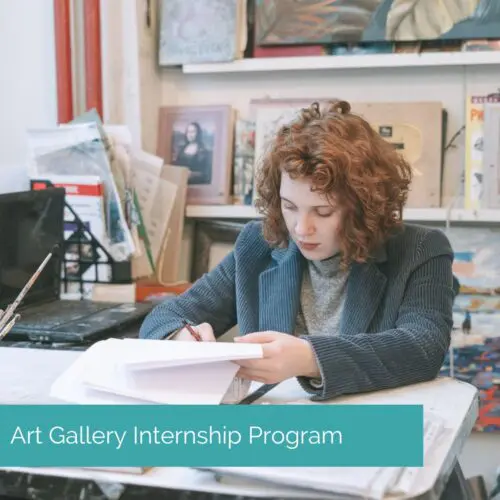
Bringing an intern into your gallery can have many benefits for your business.
Increased productivity: Setting up an internship program enables you to delegate many day-to-day tasks that can easily be taught and supervised. Taking certain tasks off your plate, even if only short-term, allows you time to focus on bigger, more creative projects for your business. Keep these tasks administrative and non-client-facing.
New perspectives: Your gallery may benefit from a younger generation’s viewpoint and fresh ideas. They could bring to the table ideas about adopting new technologies to streamline processes, innovative business practices learned in school or previous career, or even creative ideas to attract new collectors.
Scout new employee talent: Gallery interns may become future full-time employees. An internship program allows both the gallery and the intern to assess whether the working relationship is a good fit. Once an intern graduates and enters the workforce, transitioning as a full-time gallery employee is much easier, and employee retention increases.
Community support: As a small business owner in your community, hiring local students as interns is a wonderful way to strengthen your position and give back by supporting local institutions.
Considerations – Is an Intern Program Right for your Gallery Business?
The best gallery internship programs provide a comprehensive understanding of all roles in running a fine art gallery. With the opportunity to learn from multiple staff members, the experience will be more rewarding for both students and the gallery. You must decide if you have willing and able resources for an intern.
Before posting a position on job boards and structuring your program, think about the following questions.
- What is the time frame of the internship?
- Will the internship be paid or unpaid?
- What are the overall learning objectives of running a gallery business?
- In what ways can an intern be involved in day-to-day tasks and special projects?
- Who will supervise the intern and provide evaluations?
- Is there a workspace available for an intern?
- What expectations and qualifications are needed in an intern?
- How will the intern rotate to different departments or roles throughout the internship?
If you offer an internship program in your gallery, ensure all gallery staff is on board with the idea and willing to participate. An intern is not just free or cheap labor. They are seeking an internship to learn and often get school credit.
You can design your program to help support a busy autumn season when galleries are preparing for exhibitions and fairs, a quiet summer period ideal for focusing on fine-tuning operations and business development planning, or any time in between. Internships can be tailored to offer the most enriching experience possible for both you and the intern.
Thanks to technology, you might even be able to offer a virtual internship, expanding the accessibility of learning to those who might not be able to be physically in the gallery. Remote internships tap into a wider talent pool and allow interns to hone their skills from anywhere in the world, providing once-impossible flexibility.
How to Structure a Gallery Internship Program
Structuring an internship program is an exercise in understanding the gallery’s operational needs and capacity to provide a meaningful educational experience. An effectively designed program is a symbiosis of practical work experience and educational enrichment, allowing interns to immerse themselves in the gallery’s day-to-day activities.
Setting clear objectives and outcomes is essential for a successful internship program. This ensures that both the gallery and the interns have a shared understanding of what the internship aims to achieve. Objectives could range from developing knowledge of contemporary art and market dynamics to acquiring hands-on experience in inventory management, exhibition planning, and art handling.
Structured feedback is also essential to your program. This should be a two-way endeavor. A well-rounded program often integrates feedback mechanisms where interns can share their experiences and suggest improvements, making the program adaptive and beneficial for future participants.
For management purposes, it is a good idea to have a single designated supervisor for the intern. A junior member of the gallery staff is often recommended. This allows those most vital to the business to stay focused and contribute to the bottom line. It also gives the junior staff member management experience.
Feedback and Evaluations
Students seek internships to gain real-world experience, earn school credit, learn new skills, and build their resumes. If they receive school credit for their internship, written evaluations are often a requirement of the school. Second-career interns need a reality check before blindly investing time, resources, and energy into starting a new gallery. Feedback and evaluations are important aspects of achieving internship goals.
Develop a standardized process for evaluating your intern’s progress and improvements. When they first arrive in the gallery, as part of an orientation process, they will review the different roles and expectations for the performance of their tasks throughout the internship period. Provide the intern with tasks, timelines, and expectations in writing. Be specific for each task you assign to establish a benchmark for evaluation. Clear communication makes an internship program run much smoother for all involved.
Evaluations should be done throughout the internship period and at the end.
To the Point

Art gallery internships of today are dynamic learning platforms that can immensely benefit both the interns and the galleries. By carefully considering how an internship is structured—in terms of timing, format, and content—galleries can lay the foundation for a new generation of gallery professionals who are well-equipped to take on the challenges of the art market.
Plan the experience you can provide an intern before hiring. Think of what you wish you had known when you were starting.
I recommend not overwhelming your intern with too much responsibility to start. Do not put an inexperienced and unknowledgeable intern in a client-facing position to start. This includes social media unless you are prepared to work very closely with them to ensure the quality of posts is in line with your sales and marketing messaging.
An opportunity to apprentice is so rewarding, nurturing a future gallerist. They can bring fresh insights into many aspects of your business as well. If you can hire them full-time one day, you might find internship experience created one of your most passionate and loyal employees.
If you have not designed an intern program for your gallery business, I hope you now have the confidence to do so.
You may also enjoy these related articles:
How to Modernize your Gallery’s Buying Experience to Sell More Art
Productivity Strategies for Running Your Art Gallery Business



Leave a Reply